Innovation a Key Enabler in Pharmaceuticals
October 12, 2026
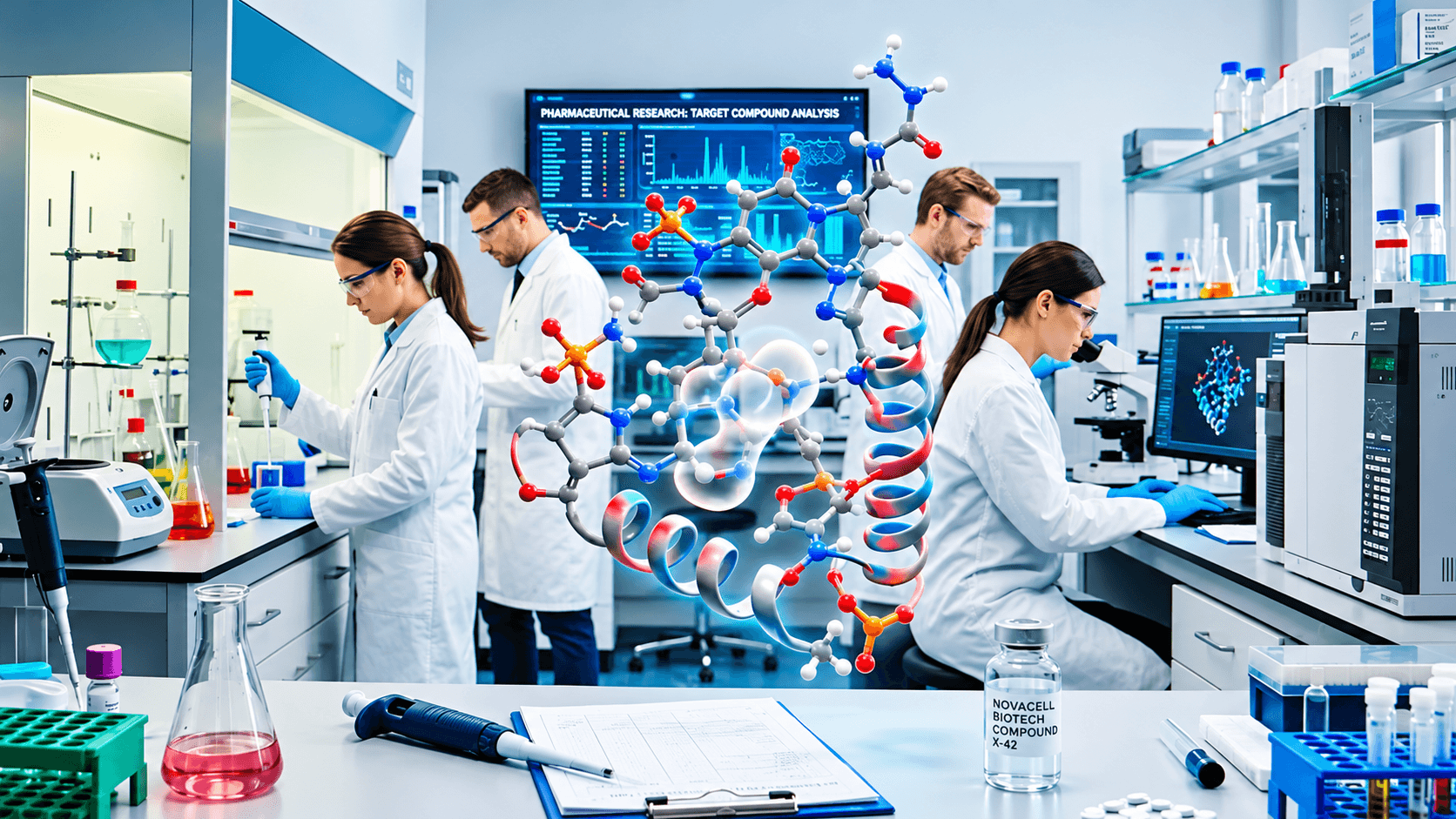
Innovation matters in pharmaceuticals because it makes pharmaceutical development more efficient, informed and scalable. It does this through better science, smarter processes, connected technology, strong partnerships and the people who bring them together. For investors, innovation can strengthen long-term capabilities and resilience; for employees, it creates opportunities to apply science, technology and new ways of working to meaningful challenges in healthcare.

Why Does Innovation Matter in Pharmaceutical Development?
Innovation matters because developing a medicine is a long, complex and high-risk process, so every gain in speed, quality or predictability adds up. Better tools and ways of working help teams make sound decisions earlier and avoid setbacks that can be prevented.
The Long Road from Idea to Medicine
The journey from a scientific idea to an approved medicine can take years of research, testing and development. According to the International Federation of Pharmaceutical Manufacturers and Associations (IFPMA), developing a new medicine or vaccine can take 10–15 years. The same source reports that only one or two out of every 10,000 compounds synthesised in laboratories successfully pass all development stages required to enter the market.
Source: IFPMA, Always Innovating: Pharmaceutical Industry Facts & Figures, 2024.
These figures highlight why innovation is not limited to discovering a new molecule. It also involves improving the decisions, processes, technologies and capabilities that support a candidate throughout its development journey.
For pharmaceutical companies, the challenge is to identify opportunities to reduce avoidable delays, generate better insights and build processes that can consistently translate scientific ideas into manufacturable products.
Where Innovation Makes the Difference
Innovation does not remove the uncertainty that is part of science. It changes how teams manage it. Earlier insight reduces repeated experiments, well-designed processes deliver consistent quality, and smooth handoffs keep programmes moving.
This is healthcare innovation at work: not a single breakthrough, but many practical improvements across the development process that together make the path to patients more reliable. For a global pharmaceutical company, these improvements shape how dependably it can serve patients, customers and partners over time.
How Is Innovation Changing the Pharmaceutical Development Process?
Innovation is changing pharmaceutical development by moving decisions earlier, building quality into processes from the start and making the move from lab to commercial scale smoother. The result is a more predictable path, with fewer surprises along the way.
Smarter Discovery and Faster Decisions
Data, artificial intelligence (AI), machine learning and in silico tools are changing how scientists approach early development. Computational models can help researchers evaluate large amounts of information, identify patterns and prioritise candidates for further investigation.
These tools do not replace scientific expertise or the rigorous testing required in pharmaceutical drug development. They help teams focus time and resources on the questions that matter most.
Advanced analytics can also support development decisions by bringing together information from multiple experiments or datasets. When scientific teams have better visibility into available data, they can identify potential challenges earlier and make decisions based on a broader evidence base.
The potential value is significant in an industry where failure can occur at any point. IFPMA reports that a drug candidate entering Phase I clinical trials has only about a 10% probability of ultimately reaching the market.
Source: IFPMA, Always Innovating: Pharmaceutical Industry Facts & Figures, 2024.
The objective of innovation, therefore, is not simply to make development faster. It is to make the process more informed, helping teams identify risks and opportunities earlier.
For a broader view of the development journey, read From Lab to Launch
Better Formulation and Process Design
Quality by design is an approach in which teams define the quality a product needs, then understand and control the factors that affect it. Rather than testing quality in at the end, they design it in from the start.
Continuous manufacturing, which moves materials through a process without stopping rather than in separate batches, can add to this by improving consistency and giving real-time visibility into how a process is performing. Together, these approaches help teams build robust processes earlier in the pharmaceutical drug development cycle.
Smoother Scale-Up and Technology Transfer
Scale-up is the point at which a process proven in a small setting has to work in much larger volumes. Technology transfer moves that knowledge from one team or site to another. Both are common points of delay when information is lost or documented unevenly.
Standardised data, shared digital records and early involvement of manufacturing teams help knowledge move cleanly, so a process that works at small scale performs as expected at commercial scale.
Taken together, these changes shift the emphasis from fixing problems late to preventing them early. That shift saves time, protects quality and gives patients and partners greater confidence in what is delivered.
How Is Technology Enabling Innovation?
Technology enables innovation by making work faster, more consistent and easier to monitor. Automation, analytics and digital platforms each support this in a different way.
- Automation takes over repetitive, manual tasks such as sample handling and routine data entry. This improves consistency, reduces the chance of human error in routine steps and frees scientists to focus on problem solving.
- Analytics turns large volumes of process and quality data into insight, supporting speed in decisions and earlier detection of trends that need attention.
- Digital platforms connect teams, sites and systems so that information lives in one place, supporting quality through clear, traceable records.
For a deeper look at how connected data, digital platforms and analytics are changing pharma, explore digital transformation across pharma.
The result is a more connected model in which technology supports people rather than operating separately from them.

Why Do Partnerships and Integrated Capabilities Matter?
Partnerships matter because pharmaceutical innovation increasingly requires expertise across multiple disciplines and stages of the value chain. An integrated partner can help reduce handoffs, improve knowledge continuity and coordinate development and manufacturing activities more effectively.
Drug development services can span discovery, development, clinical supplies, technology transfer and commercial manufacturing. Each activity requires specialised knowledge, but the connections between them are equally important.
Piramal Pharma Solutions (PPS), Piramal Pharma’s CDMO business, offers end-to-end development and manufacturing solutions across the drug lifecycle through a globally integrated network. Its capabilities include drug discovery, process and pharmaceutical development, clinical trial supplies, APIs and finished dosage forms.
This integrated approach lets customers coordinate activities across development and manufacturing rather than managing each capability independently.
One example is the £45 million expansion of the antibody-drug conjugate (ADC) manufacturing facility at Grangemouth, Scotland, commissioned in December 2023. It increased the site’s capacity by approximately 70–80% and enables scale-up of commercial ADC manufacturing batches.
Source: Piramal Pharma Solutions press release, 18 December 2023.
PPL’s broader network comprises 17 global development and manufacturing facilities and a distribution network spanning more than 100 countries, supporting a portfolio of products and services across its businesses.
Integration does not eliminate the complexity of pharmaceutical development. What it does is bring scientific, technical and manufacturing teams into the same conversation earlier.
How Does Innovation Shape People and Culture?
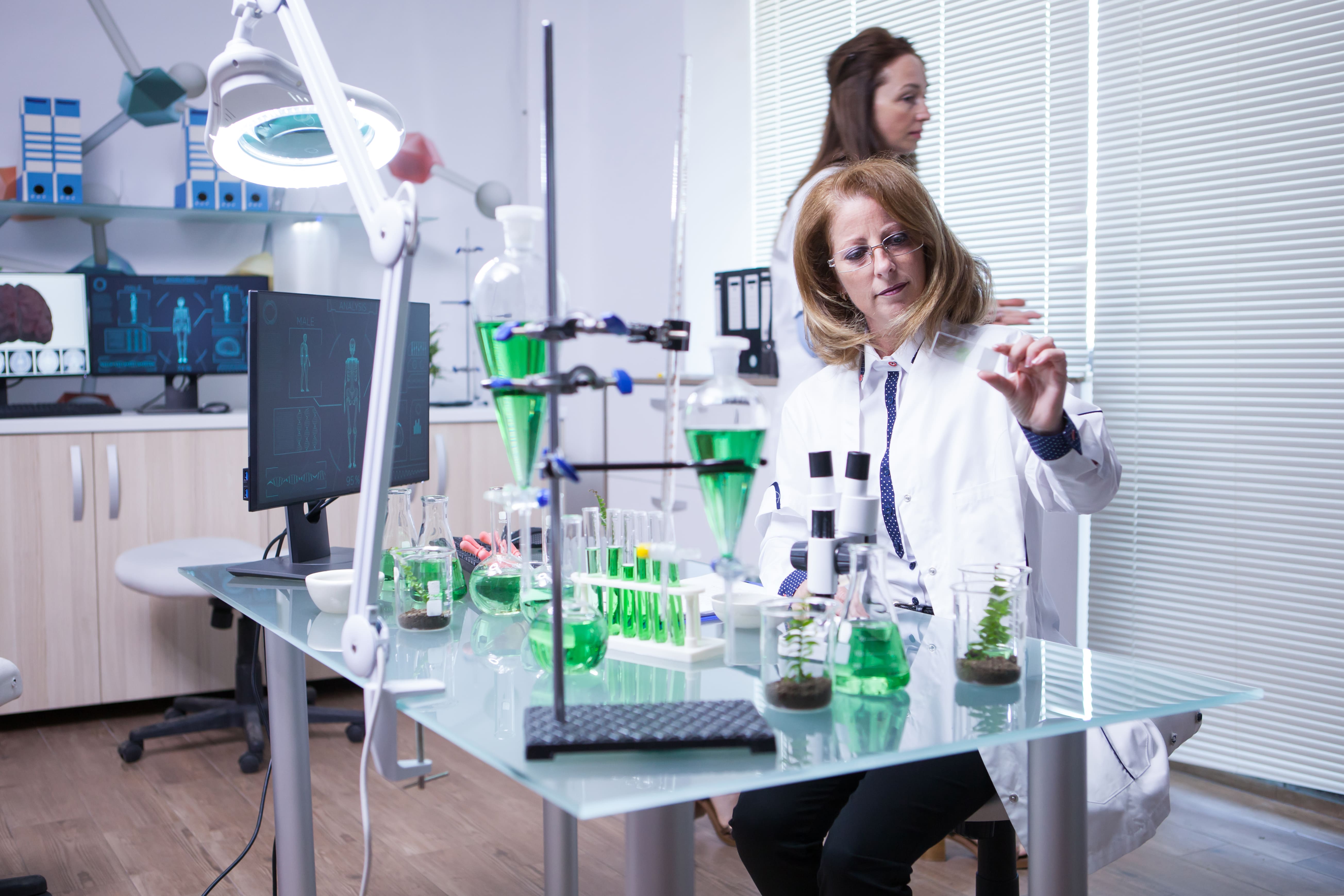
Innovation ultimately depends on people. Technology can provide new tools, but scientists, engineers, manufacturing professionals, quality teams, regulatory specialists and other employees determine how those tools are applied.
This makes continuous learning an important part of an innovative pharmaceutical organisation. As technologies evolve, employees need opportunities to build capabilities in areas such as data analytics, digital tools, automation and emerging scientific approaches.
Innovation also requires collaboration. A formulation scientist may need to work closely with process engineers; development teams may need to engage manufacturing colleagues early; digital specialists may need to understand scientific and operational requirements.
A culture of continuous improvement encourages employees to question established approaches, learn from data and identify practical ways to improve processes.
For employees, this creates opportunities to work at the intersection of science, technology and business. For the organisation, it helps build capabilities that can adapt as the pharmaceutical landscape changes.

What Does Innovation Mean for Long-Term Growth and Access to Care?
Innovation supports long-term growth by building capabilities that last, and it supports access to care by helping medicines reach patients reliably.
For a global pharmaceutical company, sustained capability comes from steady investment in science, technology and people. Quality systems designed in from the start, and processes that are consistent from site to site, build the trust that customers, regulators and patients place in a manufacturer.
Resilience is another outcome. Connected data, well-documented processes and integrated capabilities help organisations respond to disruption and keep supply steady. In a world of complex supply chains, that reliability matters.
For investors, these are the foundations of durable performance: capability that builds over time, quality that supports long-term relationships and a business that can adapt. For patients, healthcare innovation matters most when it translates into dependable access to the medicines they need. Progress here is steady rather than sudden, and it depends on discipline as much as discovery.
Conclusion
Innovation is reshaping pharmaceutical development by making it more predictable, connected and reliable. Smarter science, better process design, connected technology and integrated partnerships each play a part, supported by people who value continuous improvement. Together they build long-term capability and help medicines reach patients.
Frequently Asked Questions (FAQ's)
- What is pharmaceutical development?
Pharmaceutical development is the process of transforming a promising scientific candidate into a product that can be manufactured consistently and meet applicable quality and regulatory requirements. It brings together scientific, technical, analytical and manufacturing expertise. - How does innovation speed up drug development?
Innovation can speed up drug development by enabling better data analysis, earlier identification of risks, improved process design and more efficient collaboration. It does not remove the need for rigorous testing or regulatory review. - How does technology improve pharmaceutical development?
Technology can improve pharmaceutical development by supporting automation, data analysis, process monitoring and collaboration. Digital tools can help teams access information more efficiently and make better-informed decisions. - Why are partnerships important in pharmaceutical innovation?
Partnerships bring together specialised expertise, technologies and infrastructure that may not exist within one organisation. Integrated collaboration can also reduce handoffs and improve continuity across development and manufacturing activities. - What does innovation mean for patients?
For patients, innovation can contribute to the development of quality medicines and more efficient pathways for bringing products from scientific discovery to availability. It can also support more resilient manufacturing and supply networks.


Latest Blogs

25.09.2026
Future Outlook of Consumer Healthcare in India
India’s healthcare story is being rewritten - from a predominantly treatment-oriented model towards one that places greater emphasis on prevention
Read More
22.09.2026
Inside the Piramal Pharma Sustainability Report: Our Progress Toward Responsible Growth
Sustainability is no longer a side commitment for pharmaceutical companies — it is fast becoming the framework through which business decisions, operations, and long-term strategy are shaped.
Read More
03.09.2026
How Digital Transformation Is Connecting People, Processes and Decisions Across Pharma
The pharmaceutical industry is no longer just about molecules, manufacturing lines, and regulatory filings.
Read More