How Pharmaceutical Manufacturing Supports the Production of Highly Potent Drugs
June 17, 2026
Introduction
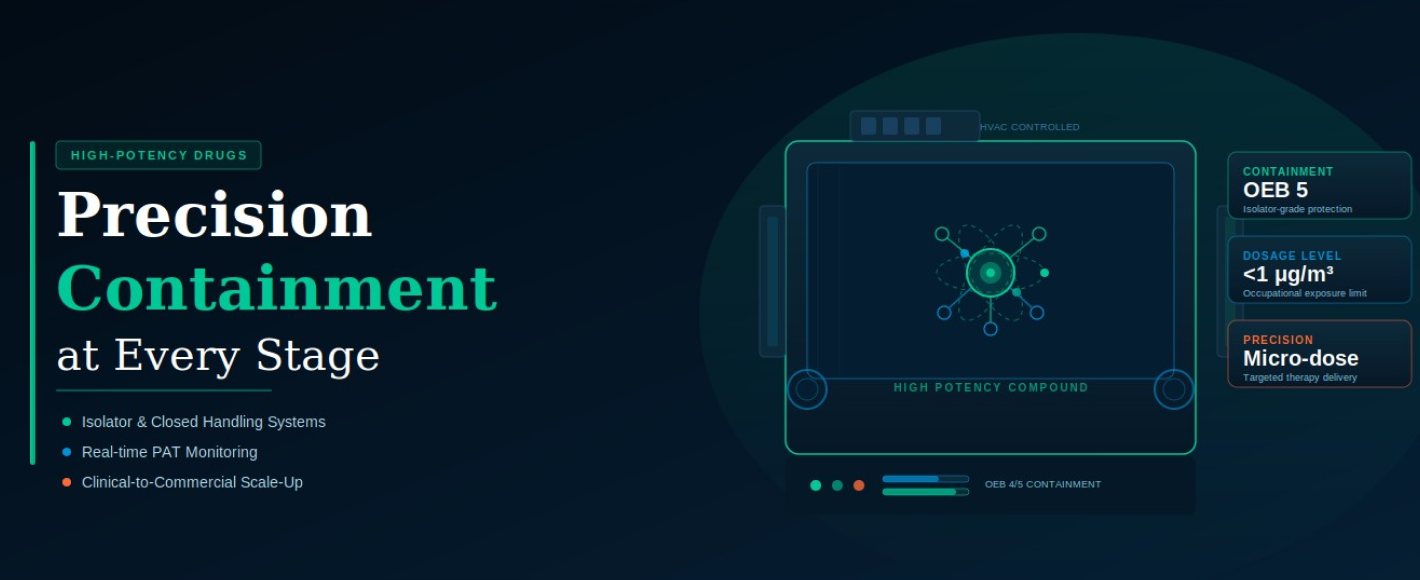
The pharmaceutical industry is witnessing a significant shift toward highly potent therapies driven by advances in precision medicine and targeted treatment approaches. A potent drug in pharmaceuticals delivers therapeutic efficacy at extremely low dosage levels, enabling improved outcomes while minimizing systemic exposure.
However, manufacturing such therapies requires capabilities that extend beyond traditional production models. Modern pharmaceutical manufacturing must integrate specialised containment systems, scientific expertise, and lifecycle planning to ensure safety, scalability, and regulatory compliance.
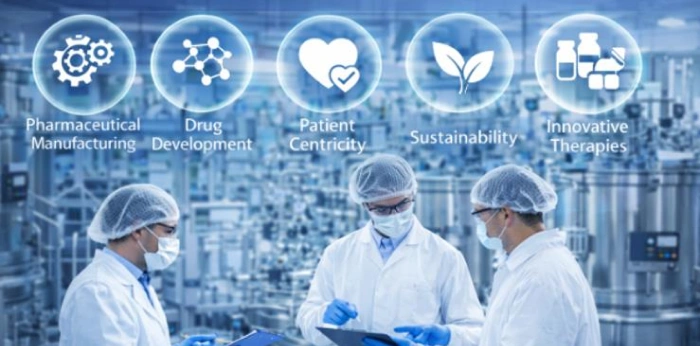
Within the evolving pharmaceutical and healthcare ecosystem, companies are increasingly expected to support innovation from development through commercialization. At Piramal Pharma, integrated capabilities across drug development services and pharma manufacturing help innovators transition confidently toward commercial production while maintaining strong patient centricity and quality standards aligned with global healthcare and wellness priorities.
Manufacturing Challenges Associated with Highly Potent Drugs
Producing a potent drug in pharmaceuticals introduces operational and regulatory complexities that differ significantly from conventional manufacturing. Key challenges include:
- Occupational exposure control during pharma manufacturing operations
- Prevention of cross-contamination in multi-product facilities
- Maintaining precision at micro-dose production levels
- Compliance with global pharmaceutical manufacturing regulations
- Ensuring safe scalability from clinical to commercial production
Specialised Manufacturing Infrastructure and Containment
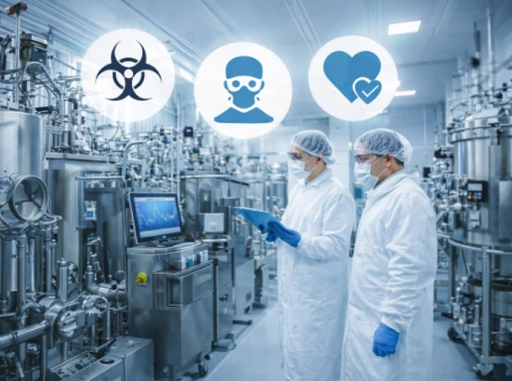
Infrastructure design plays a critical role in enabling safe and efficient pharmaceutical manufacturing of highly potent compounds. Facilities must support advanced containment while maintaining operational efficiency and regulatory compliance. Specialised infrastructure typically incorporates:
- High-containment production suites and isolator technologies
- Closed material handling systems to reduce exposure risks
- Dedicated HVAC and pressure cascade controls
- Segregated workflows supporting safe pharma manufacturing execution
- Validated cleaning and decontamination protocols
These systems enable consistent production outcomes while supporting global healthcare and wellness objectives within the pharmaceutical and healthcare ecosystem.
Advanced Technologies Supporting High-Potency Manufacturing
Technology-driven innovation has become central to modern pharma manufacturing, particularly for highly potent therapies requiring precision and reproducibility. Key technology enablers include:
- Real-time monitoring through Process Analytical Technology (PAT)
- Advanced analytics supporting process optimisation
- Automated control systems improving batch consistency
- Analytical validation ensuring product quality throughout pharmaceutical manufacturing workflows
Digital integration enhances operational visibility and strengthens decision-making across both development and commercial stages within the healthcare pharmaceutical landscape.
Integrated Drug Development and Manufacturing for Scale-Up
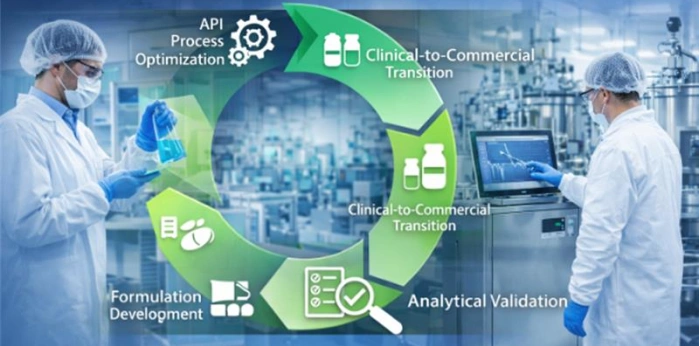
Successful scale-up of a potent drug in pharmaceuticals depends on seamless integration between development and manufacturing functions. Lifecycle alignment reduces technical transfer risks and accelerates regulatory readiness. Integrated drug development services and manufacturing capabilities support:
- API process optimisation during early development
- Clinical-to-commercial batch transition
- Analytical validation and stability studies
- Formulation development for complex and potent therapies
When drug development services align closely with downstream pharma manufacturing, development continuity improves and regulatory preparedness strengthens across the pharmaceutical and healthcare value chain.
Human Expertise and Operational Excellence
Trained professionals capable of managing complex manufacturing environments must support advanced systems in highly potent drug production. Skilled personnel play a critical role in ensuring that safety, compliance, and quality remain embedded throughout pharmaceutical manufacturing operations. Operational excellence is strengthened through continuous workforce training in containment and safety protocols, cross-functional collaboration across healthcare pharmaceutical teams, and a strong quality culture that reinforces patient centricity principles. This combination of expertise, governance, and collaboration enables consistent delivery standards while supporting innovation across the broader healthcare and wellness ecosystem.
Enabling the Safe Production of Highly Potent Therapies
As therapies grow increasingly targeted, expectations placed on pharma manufacturing continue to rise. Manufacturing excellence must match therapeutic potency through integrated infrastructure, scientific rigor, and lifecycle collaboration.
Through specialised pharmaceutical manufacturing, integrated drug development services, and a sustained commitment to patient centricity, Piramal Pharma supports innovators in advancing complex therapies safely and efficiently. These capabilities strengthen the broader pharmaceutical and healthcare ecosystem while enabling improved healthcare and wellness outcomes worldwide.
Frequently Asked Questions (FAQ's)
1. What are highly potent drugs in pharmaceuticals?
Highly potent drugs are medicines that produce therapeutic effects at very low doses, often measured in micrograms. They are commonly used in targeted therapies such as oncology and precision medicine to improve efficacy while reducing systemic exposure.
2. Why is specialised pharmaceutical manufacturing required for highly potent drugs?
Highly potent compounds require specialised pharmaceutical manufacturing facilities with advanced containment systems, controlled workflows, and strict safety protocols to protect operators, prevent cross-contamination, and meet global regulatory standards.
3. How do drug development services support manufacturing scale-up?
Integrated drug development services align early process optimisation, formulation development, and analytical validation with commercial manufacturing requirements, reducing technology transfer risks and enabling smoother clinical-to-commercial transition
4. What technologies improve safety in pharma manufacturing of potent therapies?
Technologies such as Process Analytical Technology (PAT), real-time monitoring, automation, and advanced analytics improve process control, ensure product consistency, and enhance safety across pharma manufacturing operations.
5. Why is patient centricity important in pharmaceutical manufacturing?
Patient centricity ensures manufacturing decisions prioritize product quality, reliability, and accessibility, helping deliver safe therapies consistently while supporting better healthcare and wellness outcomes.


Latest Blogs
03.09.2026
How Digital Transformation Is Connecting People, Processes and Decisions Across Pharma
The pharmaceutical industry is no longer just about molecules, manufacturing lines, and regulatory filings.
Read More
27.08.2026
Career Growth in the Pharma Industry: What Can You Expect?
Choosing a career path is rarely just about a job title, it is about where that role can take you.
Read More
24.08.2026
Doing Well and Doing Good: Inside Piramal Pharma's Purpose-Led Culture
In an industry where innovation can directly influence lives, being a successful pharmaceutical company goes beyond business performance.
Read More