End-to-End Pharma Development Lifecycle: From Lab to Market
June 17, 2026


Introduction
Getting a new drug from a laboratory bench to a pharmacy shelf is one of the most complex journeys in modern science and industry. For organisations working in pharma development, this journey involves years of rigorous research, layered regulatory requirements, and significant investment before a single patient benefits. Understanding each stage of this lifecycle is critical, not just for scientists and regulators, but for partners, investors, and anyone invested in healthcare and wellness outcomes.
What Is the Pharma Development Lifecycle?
The pharma development lifecycle refers to the complete sequence of steps required to discover, test, approve, and commercialise a new drug or therapeutic. Pharmaceutical drug development begins with identifying a biological target and ends only when a product is available to patients at scale.
On average, the process takes 10 to 15 years and costs upward of $2.6 billion per approved compound, according to studies cited by the Tufts Center for the Study of Drug Development. The vast majority of candidate molecules never make it to market. Those that do represent the collective effort of research teams, clinical organisations, regulatory bodies, and manufacturing partners working in close coordination.
The Key Stages of Pharmaceutical Drug Development
1. Discovery and Preclinical Research
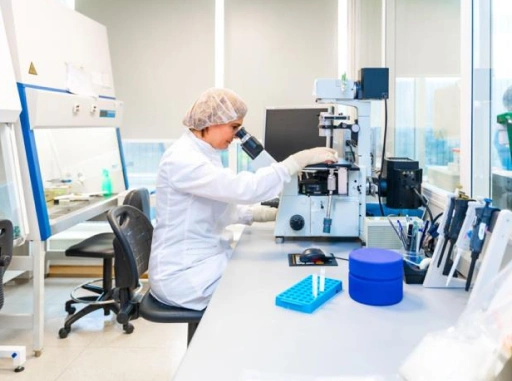
Before any human testing begins, pharmaceutical products development starts in the lab. Scientists identify disease targets, screen compound libraries, and run preliminary studies to assess whether a molecule has the potential to be safe and effective.
Preclinical research involves:
● In vitro (cell-based) and in vivo (animal-based) testing
● Pharmacokinetics and pharmacodynamics assessments
● Toxicology profiling
● Formulation and stability studies
A successful preclinical programme produces an Investigational New Drug (IND) application or its equivalent, which opens the door to human trials. This stage typically spans two to four years.
2. Clinical Development: Phase I, II, and III
What is clinical development? It is the structured process of testing a drug candidate in humans across three progressive phases, each designed to answer specific questions about safety, dosage, and efficacy.
Phase I trials enrol a small group of healthy volunteers (20 to 100 participants). The primary objective is to evaluate safety and determine how the body processes the drug. Dosage escalation is carefully monitored, and adverse events are documented in detail.
Phase II trials expand to a larger cohort of patients (100 to 500) with the target condition. Here, researchers begin to assess efficacy alongside continued safety monitoring. Patient centricity becomes increasingly important at this stage, as trial design must account for patient burden, recruitment barriers, and real-world feasibility.
Phase III trials are the most resource-intensive, typically involving thousands of patients across multiple sites and geographies. These randomised controlled trials generate the evidence base that regulatory agencies use to make approval decisions. Phase III programmes can last three to five years and represent the largest share of clinical development costs.
Together, these phases form the backbone of pharmaceutical products development, converting early-stage hypotheses into statistically validated clinical evidence.

3. Regulatory Submission and Approval
Once Phase III data is available, sponsors prepare comprehensive regulatory submissions. The format and requirements vary by jurisdiction, but the core expectation is the same: demonstrate that the drug is safe, effective, and manufactured to consistent standards.
FDA (United States): The New Drug Application (NDA) or Biologics License Application (BLA) is submitted to the U.S. Food and Drug Administration. The standard review timeline is 10 to 12 months, though Priority Review designation can reduce this to six months for drugs that address unmet medical needs.
MHRA (United Kingdom): Post-Brexit, the Medicines and Healthcare products Regulatory Agency operates its own review process independent of the European Medicines Agency. The standard authorisation timeline is 210 days, with a Rolling Review option that allows data submission during ongoing trials, compressing the overall timeline.
Health Canada: Canada's regulatory authority reviews New Drug Submissions (NDS) using a priority or standard pathway. Standard reviews take approximately 12 months; priority reviews can be completed in six months. Health Canada has also introduced a collaborative review process with the FDA and MHRA to streamline global submissions.
For organisations managing multi-market launches, navigating these three frameworks simultaneously demands careful planning, regional regulatory expertise, and strong documentation practices.
Key Challenges in Pharma Development and How to Address Them
Cost Pressures
Drug development is capital-intensive at every stage. Preclinical attrition rates are high, and late-stage clinical failures are extraordinarily expensive. Strategies to manage cost include adaptive trial designs, biomarker-driven patient selection, and early engagement with regulatory agencies to avoid costly protocol revisions.
Time to Market
Speed matters in pharma, both commercially and for patients waiting on new treatment options. Accelerating pharma care timelines requires parallel workstreams, early regulatory dialogue, and the use of real-world evidence where regulators permit. Regulatory pathways such as Breakthrough Therapy Designation (FDA) or Innovative Licensing and Access Pathway (MHRA) can also meaningfully shorten timelines for qualifying products.
Regulatory Compliance
Each jurisdiction has distinct submission requirements, data standards, and post-approval obligations. Non-compliance at any stage can trigger clinical holds, complete response letters, or market withdrawal. Organisations must build compliance into their development processes from the outset, rather than treating it as a downstream activity.
Choosing the Right Development Partner
Successfully navigating the pharma development lifecycle requires more than scientific capability. It demands operational expertise, global regulatory fluency, and integrated manufacturing support across every stage of the programme.
For many organisations, particularly those without fully built-out internal infrastructure, working with a Contract Development and Manufacturing Organisation (CDMO) provides access to specialist capabilities without the capital expenditure of building them in-house. The right partner brings experience across preclinical research, clinical development, regulatory affairs, and commercial-scale manufacturing.
When evaluating development partners, companies typically assess technical breadth, track record across regulatory jurisdictions, quality systems, and capacity to scale alongside the programme. Early engagement with a partner, well before Phase III, tends to yield better outcomes in terms of both timelines and cost control.
Ultimately, the goal of any pharma development programme is to deliver safe, effective pharmaceutical products to patients as efficiently as possible. Structuring the right team, internal and external, around that objective is as important as the science itself.
Frequently Asked Questions (FAQ's)
1. What is the pharma development lifecycle? The pharma development lifecycle is the complete process through which a new drug is discovered, tested, approved by regulatory bodies, and brought to market. It typically includes preclinical research, clinical development (Phase I, II, and III), regulatory submission, and commercial manufacturing.
2. How long does pharmaceutical drug development take? On average, pharmaceutical drug development takes 10 to 15 years from initial discovery to market approval. The timeline varies depending on the complexity of the drug, the indication, and the regulatory jurisdiction.
3. What is clinical development, and why does it matter? Clinical development is the phase of drug development in which a candidate compound is tested in human subjects to establish its safety, dosage, and efficacy. It is the most rigorous and resource-intensive part of the pharma development lifecycle and is required for regulatory approval in every major market.
4. How do FDA, MHRA, and Health Canada approval timelines differ? The FDA typically reviews standard applications within 10 to 12 months; the MHRA operates on a 210-day review timeline; and Health Canada's standard review takes approximately 12 months. All three offer expedited pathways for drugs addressing unmet medical needs.
5. What role does patient centricity play in pharma development? Patient centricity refers to the practice of designing clinical trials and development programmes with the patient experience as a central consideration. This includes minimising trial burden, improving recruitment diversity, incorporating patient-reported outcomes, and ensuring that the final product addresses real-world healthcare and wellness needs.
6. How can companies reduce the time and cost of pharmaceutical products development? Key strategies include adopting adaptive trial designs, using biomarkers for patient selection, engaging regulators early in the process, and partnering with experienced CDMOs who can provide integrated development and manufacturing support across multiple markets.


Latest Blogs

03.09.2026
How Digital Transformation Is Connecting People, Processes and Decisions Across Pharma
The pharmaceutical industry is no longer just about molecules, manufacturing lines, and regulatory filings.
Read More
27.08.2026
Career Growth in the Pharma Industry: What Can You Expect?
Choosing a career path is rarely just about a job title, it is about where that role can take you.
Read More
24.08.2026
Doing Well and Doing Good: Inside Piramal Pharma's Purpose-Led Culture
In an industry where innovation can directly influence lives, being a successful pharmaceutical company goes beyond business performance.
Read More