The Role of Critical Care Medicines in Modern Healthcare
October 21, 2026
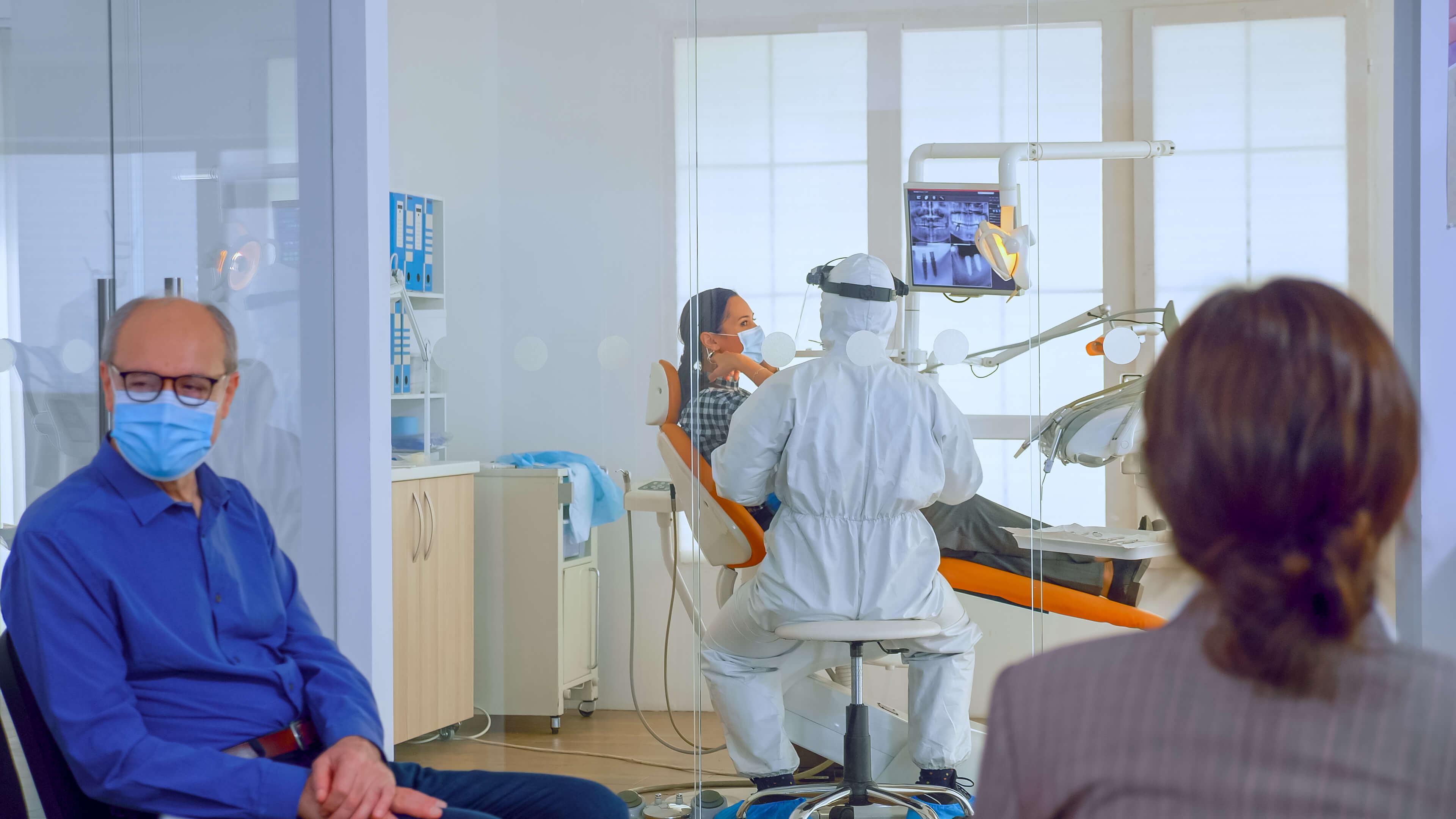
Critical care medicines are hospital medicines used to support patients during surgery, intensive care and medical emergencies. They must be manufactured to high quality standards and supplied reliably because clinical teams depend on them in time-sensitive settings. For investors and media, this category also illustrates how specialised manufacturing, regulatory discipline and supply reliability shape the hospital-medicines business.

What Are Critical Care Medicines?
Critical care medicines are medicines used in operating theatres, intensive care units and emergency settings, where care teams need dependable products for closely monitored clinical procedures.
Hospitals draw on a wide range of critical care products. At a high level, they fall into a few groups:
- Anaesthetics, which allow surgery and other procedures to take place without pain.
- Sedatives, which keep patients calm and comfortable during procedures and in intensive care.
- Pain relief, used before, during and after procedures.
- Cardiovascular support, used when the heart and circulation need medical support.
- Injectable hospital generics, a broad group of established injectable medicines that hospitals use every day.
What these groups share is the setting and the stakes. They are used at short notice, often in sterile form, and a hospital cannot pause a surgery list or an emergency admission while it waits for stock. That is why manufacturing quality and dependable delivery matter as much as the medicine itself.
For manufacturers, this breadth creates a complex operating model. Product types can differ in formulation, packaging, manufacturing controls, regulatory requirements and storage conditions. A supplier therefore needs product-specific expertise alongside a quality system that consistently governs development, production, testing, release and distribution. The aim is not simply to make a medicine, but to ensure that each released batch meets its approved specifications and reaches the intended market through a controlled supply chain.

Why Do Critical Care Medicines Matter in Modern Healthcare?
Critical care medicines support essential hospital services, from planned operations to the management of patients who need intensive monitoring. Their role is closely connected to the wider systems that make surgery and hospital care possible: trained clinical teams, appropriate equipment, protocols, and reliable access to quality-assured medicines.
Supporting Surgery and Anaesthesia
Anaesthesia enables surgical teams to carry out procedures while trained professionals manage the patient’s anaesthetic care and monitoring. The scale is large: an estimated 312.9 million operations took place worldwide in 2012, up from 226.4 million in 2004, according to a study in the Bulletin of the World Health Organization (2016). Behind many of those operations sits an anaesthesia team that needs its medicines on the shelf before the list begins.
Supporting Intensive and Emergency Care
In intensive care units and emergency departments, clinicians treat patients whose condition can change within minutes. Sedatives, pain relief and cardiovascular support medicines give teams the means to respond quickly and in a controlled way. A delay in these settings affects the whole team, not just one patient, so products must already be stocked, sterile and ready to use.
.
Supporting Hospitals and Health Systems
Hospitals plan staffing, theatre schedules, equipment and medicine availability together. When a required product is unavailable, teams may need to review schedules, source alternatives through approved processes or adjust operational plans. Reliable hospital-medicine supply is therefore part of the infrastructure that supports continuity of care. The broader healthcare context is explored in Piramal Pharma’s article on global healthcare trends, including the role of manufacturers and healthcare systems in supporting access to medicines.

What Makes Hospital Medicines Hard to Make and Supply?
Hospital medicines require product-specific manufacturing processes, rigorous controls and documented oversight throughout their lifecycle. The precise requirements vary by formulation and product, but the underlying challenge is consistent: quality must be designed into the process and demonstrated through evidence, not assumed from a final test alone.
Sterile and Specialised Manufacturing
For sterile products, contamination control is a central manufacturing consideration. Facilities and processes may require controlled environments, qualified equipment, validated cleaning and sterilisation steps, environmental monitoring, trained personnel and documented procedures. The WHO’s 2022 good manufacturing practice guidance for sterile pharmaceutical products sets out requirements intended to protect product quality and support access to quality medicines. Not every critical care medicine is sterile, but injectable products in particular require manufacturing controls appropriate to their dosage form and risk profile.
Consistent Quality and Regulatory Inspection
Quality has to hold from the first batch to the thousandth. Manufacturers test raw materials, samples taken during production and the finished product, and they record every step. Regulators such as the US FDA and the UK MHRA inspect sites periodically to check that these systems work in practice. An inspection is not a one-time certificate. It is a recurring test of whether a site keeps its standards
Regulatory inspections assess whether a facility’s systems and practices meet applicable requirements. Readiness depends on routine discipline: maintaining accurate records, investigating deviations, qualifying suppliers, validating processes, managing changes and implementing corrective and preventive actions. Inspection is not a substitute for daily quality management. It is one way regulators assess whether the controls that protect medicine quality are in place and functioning.
Global Distribution to Hospitals
Once a batch is released, distribution controls remain important. Products must be stored, transported and handled in accordance with their approved conditions, with traceability and processes for managing complaints, returns or potential quality issues. A supplier serving multiple markets must also coordinate country-specific regulatory requirements, demand planning, inventory and distribution partners. The complexity grows when different products have different shelf lives, packaging requirements or market authorisations.
Why Does Reliable Supply Matter to Hospitals?
Reliable supply gives hospitals greater confidence when planning procedures, managing intensive care demand and maintaining the medicines required for routine and urgent care. The need is particularly clear for products that are embedded in established clinical protocols or require specific equipment and trained staff. A missing medicine can create additional work for pharmacy and clinical teams, including checking approved alternatives, reviewing stock across sites or revising plans.
No supplier can eliminate every disruption. The practical objective is to identify risks early, understand demand, maintain appropriate inventory, qualify sources, monitor logistics and communicate promptly when supply conditions change. Manufacturers and distributors also need escalation procedures so that quality concerns, transport delays or production interruptions are assessed and managed through documented processes.
These activities are part of a broader supply-chain discipline rather than a single intervention. Piramal Pharma’s article on building a resilient pharmaceutical supply chain explores how sourcing, manufacturing, inventory and distribution work together. In hospital medicines, the practical measure is whether supply processes support continuity while preserving quality and regulatory compliance.
How Does Piramal Critical Care Support Hospitals?
Piramal Critical Care supplies hospitals with inhalation anesthetics and other hospital products, made at wholly owned manufacturing facilities in the US and India. It is part of Piramal Pharma’s Critical Care business.
The portfolio includes the inhalation anaesthetics Sevoflurane and Isoflurane, intrathecal baclofen therapy and a range of hospital generics. Piramal Critical Care has a presence in the USA, Europe and more than 100 countries, which lets it serve hospitals in many different health systems. Hospitals in different markets work to different regulations, packaging needs and ordering rhythms, so reach of this kind depends on registrations, logistics and local relationships as much as on the product itself.
Quality is central to how these critical care solutions are made. The company’s US and India facilities have cleared periodic inspections by regulators including the US FDA and the UK MHRA. For a hospital pharmacist or procurement team, a clean inspection history and a wide distribution reach are practical signs that a supplier can deliver consistent quality to many markets.
Piramal Critical Care is also expanding its range through new product additions in the critical care space, with the aim of meeting more of the needs hospitals bring to their suppliers.

How Can Investors and Media Understand the Critical Care Segment?
A useful assessment of a hospital-medicines business looks beyond a product list or a single market statistic. Investors and media can consider a set of practical indicators that reflect the nature of the portfolio and the capabilities needed to supply it.
Portfolio breadth is one indicator: the range of product types, dosage forms and clinical settings served can show how a business is positioned within hospital care. Regulatory and quality records are equally important, including the status of manufacturing sites, inspection outcomes, systems for investigating deviations and the maturity of quality governance. These should be considered in context, distinguishing business-specific information from company-wide results.
Hospital customer relationships and geographic reach offer another lens. A presence across markets requires local regulatory knowledge, appropriate distribution arrangements and service capabilities. Supply reliability should be assessed through evidence such as service levels, product availability, shortage communication and continuity planning, rather than general assurances. Finally, manufacturing capability and product-specific expertise matter because critical care portfolios can involve specialised processes and quality requirements.
Piramal Pharma’s quality framework describes its approach to quality governance and regulatory oversight across the company. Readers can find more detail on the organisation’s quality systems and oversight. These indicators provide a grounded way to understand the segment without relying on market forecasts or assuming that scale alone guarantees supply performance.
Conclusion
Critical care medicines are an essential part of modern hospital care, supporting surgery, anaesthesia, intensive care and emergency services. Their role depends not only on the medicines themselves, but also on specialised manufacturing, robust quality systems and dependable distribution. For investors and media, the critical care segment is best understood through portfolio capability, regulatory discipline, hospital relationships and geographic reach. To see how Piramal supports hospitals, explore the Piramal Critical Care page.
Frequently Asked Questions
What is the difference between critical care and intensive care?
Intensive care is a specialised hospital service for patients who need close monitoring and advanced support. Critical care medicines is a broader industry term for hospital medicines used in settings such as surgery, intensive care and emergencies; it describes a category of products, not a hospital department.
How do inhalation anaesthetics differ from intravenous anaesthetics?
Inhalation anaesthetics are administered as vapours or gases that a patient breathes under the supervision of trained anaesthesia professionals. Intravenous anaesthetics are administered into a vein. The choice and management of an anaesthetic are clinical decisions based on the procedure, patient and care setting.
Why are most critical care medicines given in hospitals and not at home?
Many products in this category require administration by trained healthcare professionals, monitoring, specialised equipment or handling within a clinical protocol. Some specialist medicines may be used outside a hospital under defined arrangements, but the setting depends on the specific product and its approved use.
Are generic hospital medicines held to the same quality standards as branded ones?
Generic medicines must meet the quality and regulatory requirements applicable in the market where they are authorised. Brand name alone does not determine manufacturing quality; compliance is assessed through approved specifications, manufacturing controls, testing and regulatory oversight.